
In the enchanting chronicles of Prophet Solomon (Sulaiman in Arabic) , the tale unfolds with a captivating allure, woven with mystical verses, each segment a mesmerizing fragment. This narrative, adorned with magical undertones, unravels in the embrace of various entities such as Ants, Fish, Hud Hud, Crow, and Jins.
Hud-hud (Hoopoe bird)
Delving into the pages of the Quran, the saga of Prophet Solomon (Sulaiman in Arabic) and Hud-hud (Hoopoe bird) comes alive within Surah Al-Naml (Chapter 27, verses 20-28).
The tale unfolds in the realm of righteousness and justice, where Prophet Solomon, a virtuous ruler, governed a sprawling kingdom under the divine guidance of Allah. A peculiar occurrence caught his attention as Hud-hud, one of the avian denizens of his kingdom, mysteriously disappeared. Inquisitive, Prophet Solomon sought answers from his courtiers, yet none could unveil the whereabouts of the elusive bird.
In due course, Hud-hud returned bearing tidings. The bird had unraveled a kingdom governed by a queen whose subjects bowed not to Allah but to her. Intrigued, Prophet Solomon commanded the bird to lead his army to this realm, an expedition of discovery.
As they approached, the stark reality materialized before Prophet Solomon’s eyes. The queen and her people were immersed in idolatry, their worship misdirected. Prophet Solomon, driven by a divine mission, invited the queen to forsake false beliefs and embrace the worship of Allah. A stern warning echoed, foretelling divine retribution if she persisted in her misguided path.
Acknowledging the truth, the queen humbled herself before Allah, relinquishing her misguided devotion. Prophet Solomon, in gratitude, queried Hud-hud about the delayed revelation of this kingdom. The loyal bird, traversing vast distances, justified its tardiness, having journeyed far and wide to deliver the consequential news.
Prophet Solomon, pleased with the bird’s unwavering loyalty and sagacity, offered gratitude to Allah for the bestowed guidance. This saga, interwoven with lessons, resonates with the essence of seeking knowledge and divine guidance. It serves as an enduring testament to the significance of steadfastness in belief and unwavering devotion to Allah.
The Avian Protagonist: HUDHUD (HOOPOE)
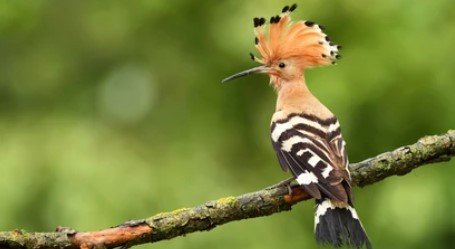
In the narrative tapestry, the pivotal figure steering our project’s trajectory is none other than the Hudhud, a creature of elegance and significance. This avian luminary, the Hoopoe, dons feathers reminiscent of regal crowns, adorning its head with majestic allure, complemented by the curvature of a distinguished beak. Surat al-Namal, Verse no 20, unravels the poignant query, “Why do I not see the Hud Hud,” igniting the exploration into the verses encapsulating this avian odyssey.
Revelations from the Quranic Verses
The Quranic verses illuminate the enchanting tale woven around the Hoopoe, a creature graced with resplendent plumage and a distinctive curved beak. It is in the verses of Surat al-Namal that the Hud Hud takes center stage, its absence prompting introspection and beckoning the unfolding of a celestial narrative.
The Intriguing Realities of HUD HUD
Delving into the fascinating facts surrounding the Hud Hud, revelations surface about their unique calls – the melodic repetition of ‘Hoo-poo,’ a vocal signature resonating four to five times. Endowed with a lengthy beak, the Hud employs it for ground excavation, unearthing insects and sculpting trees to craft nests of intricate design.
Cloaked in a palette of captivating hues, they mirror the grace of butterflies in their flight, accompanied by melodious tunes echoing through the air. Intriguingly, the Hud exhibits two distinctly human-like habits: the male presenting insects to the female, attuned to feminine inclinations, and both parents contributing to the nourishment of their progeny.
Possessing a unique ability to peer deep into the earth, the regal Hoopoe found favor among ancient monarchs who sought their company during travels to unveil subterranean water sources. Surprisingly drawn to unpleasant odors, the Hud Hud embarks on migratory journeys, an emblem of resilience and adaptability.
Embracing the sun’s warmth and indulging in dust and sand baths, the Hoopoe emerges as a multifaceted avian marvel, encapsulating both elegance and idiosyncrasies in its existence.
The Merits of the Hoopoe (Hud Hud)
In the vast symphony of creation, the Hud Hud, like its fellow creatures, insects, and birds, emerges as a purposeful entity, woven into the fabric of existence for the benefit of humanity. It is imperative for Muslim children to comprehend that the Hud Hud is not a superfluous avian being; rather, it holds significance with valuable lessons to impart:
Emotional Bonds and Familial Care: The Hud Hud serves as a testament to emotional attachment, embodying love and care within the familial realm.
Observation and Knowledge: Instilling the importance of keen observation, the Hud Hud becomes a conduit for understanding the significance of knowledge and wisdom.
Loyalty: As a humble creation, the Hud Hud exemplifies loyalty towards its master, unraveling a profound lesson in allegiance.
Aesthetic Contribution: Contributing to the allure of nature, these birds add a touch of beauty to the intricate canvas of the natural world.
Diligence in Homebuilding: Through industrious endeavors, the Hud Hud exemplifies the value of hard work in crafting beautiful homes.
A Source of Information: Beyond its physical existence, the Hud Hud emerges as a source of information, a humble creation intricately woven into Allah’s divine design.
Quranic Verses on Birds and Their Benefits
The Quran unfolds verses that underscore the symbiotic relationship between nature, birds, and humanity. These Ayats offer profound insights into the benefits and facts encapsulated within the realm of animals, birds, and insects:
– Al-Quran, Surat-ul-Nakhal (5-7, 66, 68-69, 79, 80, 115): A tapestry of verses elucidating the wisdom embedded in the creation.
– Emotional Attachment (Al-Quran, Al-Alnaam-38): Highlighting the parallel emotions shared between humans and animals, promoting love and kindness.
– Motivations for Flight (Al-Quran, Al-Nakhal, 79): Encouraging contemplation on the instinctual drive for soaring heights.
– Individual Differences (Al-Quran, Al-Anam-142-46): Embracing diversity, these verses emphasize the beauty inherent in individual personalities.
– Importance of Knowledge (Al-Quran, Al-Anfaal, 55): Underscoring the perilous state of lacking knowledge and wisdom.
– Reflection on Nature (Al-Baqara, 164): Provoking thought and contemplation on the intricacies of the natural world.
– Ideas and Tricks: A realm of verses unraveling the ingenious aspects of creation.
Discussion:
Key Insights from the Story
A profound discussion unveils crucial points from the narrative:
Vigilance Against Wrongdoings: Instilling in children the skill of keen insight into societal wrongs, akin to the Hud Hud, becomes an invaluable asset.
King Solomon’s Ascension: King Solomon emerges as a paragon of greatness, a noble messenger of Allah endowed with supreme power, knowledge, and wisdom through divine supplication.https://onlinequranusa.com/2023/12/28/birds-in-quran/