
Step into a world of architectural marvels and spiritual sanctuaries as we embark on a captivating journey through the mosques mentioned in the Quran. Go deep into the rich Islamic heritage. From the holy city of Mecca to the historic city of Medina. These mosques hold significant connections to Islamic history and faith.
Immerse yourself in the breathtaking beauty of the Al-Masjid al-Haram. the Great Mosque of Mecca. which surrounds the Kaaba, the holiest site in Islam. Wander through the pristine halls of the Al-Masjid an-Nabawi in Medina. where the Prophet Muhammad’s final resting place lies.
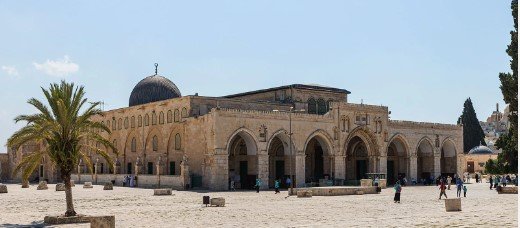
Discover the serene elegance of the Al-Aqsa Mosque in Jerusalem. where Prophet Muhammad’s miraculous Night Journey took place. Explore the grandeur of the Sultan Ahmed Mosque in Istanbul. also known as the Blue Mosque, with its intricate tilework and towering minarets.
Join us as we uncover the fascinating history, architecture, and cultural significance behind these magnificent mosques. bringing to life the stories and teachings of the Quran. Get ready to be inspired and spiritually uplifted on this remarkable journey through Islamic heritage.
Understanding the role of mosques in Islam
Mosques play a central role in Islam, serving as places of worship, community gathering, and centers of education. They are not only physical structures. but also spiritual sanctuaries where Muslims come together to pray and seek guidance. The word “mosque” itself is derived from the Arabic word “masjid,” which means a place of prostration.
Mosques are considered sacred spaces where Muslims can connect with Allah and strengthen their faith. They are not only places for individual worship. but also serve as a hub for communal activities such as Friday prayers, religious festivals, and Quranic study circles. Additionally, mosques often host important events like weddings, funerals, and religious lectures.
The design and architecture of mosques vary across different regions, reflecting the cultural and historical influences of the Muslim community. However, they all share common elements such as the mihrab (prayer niche), minaret (tower), and the central prayer hall. These architectural features help create a serene and focused environment for prayer and reflection.
Exploring the history and architecture of the Mosque of the Prophet (Masjid al-Nabawi)
The Mosque of the Prophet, also known as Masjid al-Nabawi. holds immense historical and spiritual significance for Muslims worldwide. Located in the city of Medina, it is the second holiest site in Islam after the Great Mosque of Mecca. The mosque was originally built by the Prophet Muhammad himself. and has undergone several expansions over the centuries.
The architecture of Masjid al-Nabawi is a blend of classical Islamic and Ottoman styles. The main prayer hall, known as the Rawdah. houses the Prophet Muhammad’s tomb and is a highly revered space for Muslims. The mosque’s exterior features intricately carved columns. arches, and domes, with green flags adorning the minarets.
Inside the mosque, the walls are adorned with beautiful calligraphy from the Quran. creating a visually stunning and spiritually uplifting atmosphere. The Prophet’s Mosque is not only a place of worship. but also a center of Islamic scholarship and education. attracting millions of pilgrims and visitors each year.
Discovering the beauty and spirituality of the Al-Aqsa Mosque
Situated in the heart of Jerusalem. the Al-Aqsa Mosque holds great significance in Islamic history and is considered the third holiest site in Islam. Muslims believe that it was from this mosque that the Prophet Muhammad embarked on his miraculous Night Journey. traveling to the heavens and meeting with previous prophets.
The Al-Aqsa Mosque complex encompasses not only the mosque itself but also the Dome of the Rock, which is an iconic symbol of Jerusalem. The mosque’s architecture showcases a mix of Umayyad, Fatimid, and Crusader influences, with intricate geometric patterns, colorful tiles, and soaring arches.
Visiting the Al-Aqsa Mosque is a spiritual journey for Muslims, as they can pray in the same place where the Prophet Muhammad prayed. The serenity and tranquility of the mosque’s surroundings create an atmosphere of deep spirituality. allowing visitors to connect with their faith on a profound level.
Unveiling the secrets of the Great Mosque of Mecca (Masjid al-Haram)
The Great Mosque of Mecca, also known as Masjid al-Haram, is the holiest site in Islam. and the destination of millions of Muslims who undertake the pilgrimage of Hajj each year. It surrounds the Kaaba, a black cube-shaped structure believed to have been built by the Prophet Ibrahim (Abraham) and his son Ismail (Ishmael).
The mosque’s history dates back to the time of the Prophet Muhammad, who performed the first Hajj after the conquest of Mecca. Over the centuries, the Great Mosque has undergone numerous expansions to accommodate the ever-increasing number of pilgrims.
The architecture of Masjid al-Haram is a blend of traditional and contemporary styles. The most prominent feature is the towering clock tower. which stands as a symbol of modernity against the backdrop of the ancient mosque. The interior of the mosque is adorned with intricate calligraphy, marble floors, and chandeliers, creating a grand and awe-inspiring ambiance.
The significance of the Quba Mosque in Islamic history
The Quba Mosque holds a special place in Islamic history as it was the first mosque ever built by the Prophet Muhammad after his migration from Mecca to Medina. The mosque is located on the outskirts of Medina and is a popular destination for pilgrims and visitors.
The Quba Mosque’s architecture showcases a simple and minimalist design, reflecting the modesty of its origins. The main prayer hall is surrounded by a courtyard with palm trees, giving it a serene and peaceful atmosphere. Muslims often visit the Quba Mosque to perform voluntary prayers and seek blessings.
Exploring the historical and cultural significance of the Mosque of the Two Qiblas (Masjid al-Qiblatain)
The Mosque of the Two Qiblas, also known as Masjid al-Qiblatain, holds a unique place in Islamic history. as it was the site where the direction of prayer (qibla) was changed from Jerusalem to Mecca. The mosque is located in Medina and is a testament to the Prophet Muhammad’s unwavering dedication to following divine guidance.
The architecture of Masjid al-Qiblatain reflects the historical significance of the site. The mosque has two prayer niches (mihrabs), one facing Jerusalem and the other facing Mecca, symbolizing the transition from one qibla to another. The interior is adorned with intricate calligraphy and beautiful geometric patterns, creating a visually captivating experience.
Visiting the Mosque of the Two Qiblas allows Muslims to reflect upon the importance of following divine guidance. and the Prophet Muhammad’s pivotal role in shaping Islamic practices.
The spiritual journey of visiting the Mosque of the Prophet’s Ascension (Masjid al-Aqsa)
The Mosque of the Prophet’s Ascension, also known as Masjid al-Mi’raj, holds a special place in Islamic tradition. According to Islamic belief, it was from this mosque that the Prophet Muhammad ascended to the heavens during the Night Journey. and received the command for Muslims to pray five times a day.
The architecture of Masjid al-Mi’raj is a blend of Islamic, Byzantine, and Crusader influences. The mosque features a central prayer hall with beautiful domes, arches, and colorful mosaics. The spiritual significance of the mosque makes it a popular destination for pilgrims and visitors seeking a deeper connection with their faith.
Visiting the Mosque of the Prophet’s Ascension allows Muslims to reflect on the miraculous journey of the Prophet Muhammad and the importance of the five daily prayers in Islam.
The significance of the Prophet’s Mosque (Masjid al-Munawwarah)
The Prophet’s Mosque, also known as Masjid al-Munawwarah, is located in the city of Medina and holds a special place in the hearts of Muslims worldwide. It is the second holiest mosque in Islam and is believed to be the place where the Prophet Muhammad migrated to after facing persecution in Mecca.
The architecture of Masjid al-Munawwarah is a masterpiece of Islamic design, with its green dome and towering minarets dominating the skyline. The interior of the mosque features exquisite calligraphy, intricate tilework, and beautiful chandeliers, creating a sense of awe and reverence.
Visiting the Prophet’s Mosque allows Muslims to pay their respects to the Prophet Muhammad and seek blessings. It is a place of solace and spiritual rejuvenation, where Muslims can experience a deep connection with their faith.
Conclusion: The enduring legacy of the mosques mentioned in the Quran
The mosques mentioned in the Quran hold immense historical, cultural, and spiritual significance for Muslims around the world. They serve as reminders of the rich Islamic heritage, connecting believers to the teachings and stories of the Quran.
From the magnificent Great Mosque of Mecca to the serene Al-Aqsa Mosque, each mosque has its own unique history and architectural beauty. Visiting these mosques allows Muslims to deepen their understanding of Islam and strengthen their connection with Allah.
As we conclude our journey through the mosques mentioned in the Quran. let us remember the importance of preserving and appreciating these architectural marvels. They are not only symbols of Islamic faith but also bridges that connect Muslims across different cultures and backgrounds.
Let us continue to explore the Islamic heritage and share its beauty with the world. fostering understanding and appreciation for the rich traditions and teachings of Islam.